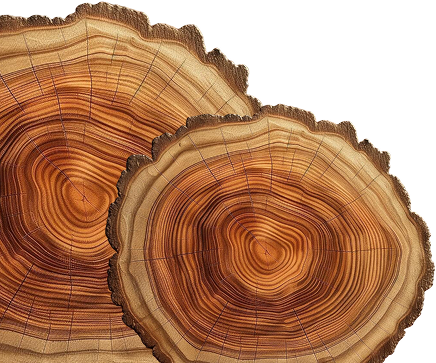

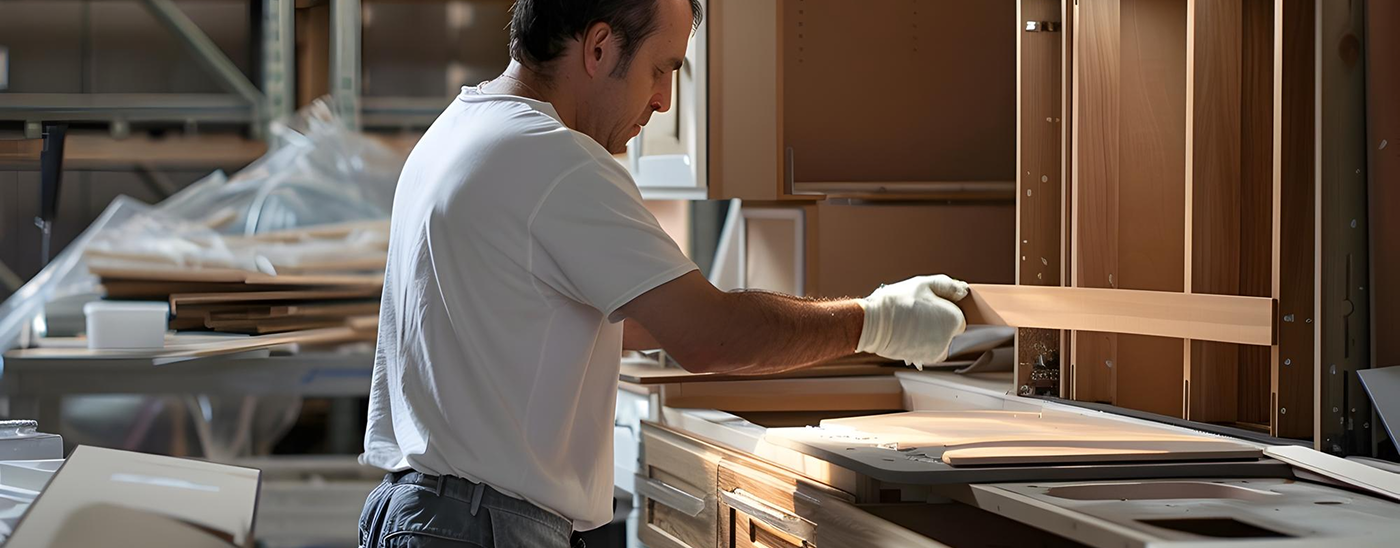
Learn practical care tips for maintaining the appearance, finish, and natural character of your wooden furniture and interiors. Natural wood brings warmth, character, and timeless beauty to any interior. From handcrafted furniture and cabinetry to flooring and decorative details, wood can remain beautiful for generations when it receives the right care.
Because natural wood responds to its surroundings, simple maintenance habits can make a significant difference. Here are some effective ways to protect and preserve its beauty.
“Great woodwork does more than fill a space — it brings warmth, character, craftsmanship, and lasting beauty into the way you live.”
1. Keep Wood Away from Excess Moisture
Water and excessive moisture can cause wood to swell, stain, warp, or develop other forms of damage. Wipe up spills quickly and avoid leaving damp items directly on wooden surfaces. For dining tables, countertops, and other frequently used surfaces, coasters, mats, and protective pads can provide an additional layer of protection.
2. Protect Surfaces From Heat and Scratches
Hot cookware, sharp objects, and rough materials can damage wooden surfaces. Always use trivets or heat-resistant pads beneath hot items and protective mats beneath objects that may scratch the finish. Small precautions can help preserve the original appearance of your furniture for much longer.
3. Clean Gently and Regularly
Dust and everyday dirt can gradually affect the appearance of wooden surfaces. Use a soft, dry or slightly damp cloth to remove dust and buildup. Avoid harsh cleaning products unless they are specifically recommended for the particular wood and finish. Gentle cleaning helps protect both the material and its surface treatment.
4. Control Indoor Humidity
Wood naturally expands and contracts as humidity levels change. Excessively dry or humid conditions can contribute to cracking, swelling, or movement over time. Maintaining a relatively stable indoor environment can help minimize these changes and support the long-term condition of wooden furniture and interiors.
5. Keep Wood Away From Direct Sunlight
Continuous exposure to strong sunlight can gradually change the color of natural wood and some finishes. Where possible, use curtains, blinds, or UV-filtering window treatments to reduce prolonged direct exposure. Rearranging decorative objects occasionally can also help minimize uneven changes in color.
6. Use the Right Protective Finish
A suitable finish can enhance the natural grain while providing protection against everyday wear. Depending on the application, options may include oils, waxes, varnishes, lacquers, or other specialized finishes.
7. Treat Small Damage Early
Minor scratches, marks, or surface imperfections are easier to address when noticed early. Regularly inspect frequently used furniture and wooden surfaces for signs of wear. Prompt maintenance can help prevent small issues from becoming more noticeable or difficult to repair.