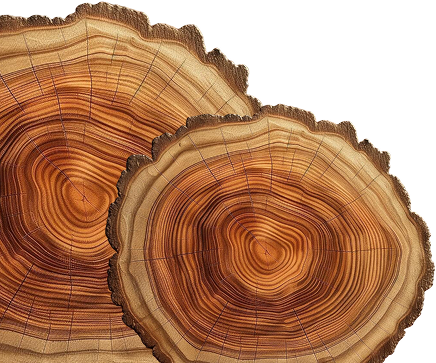

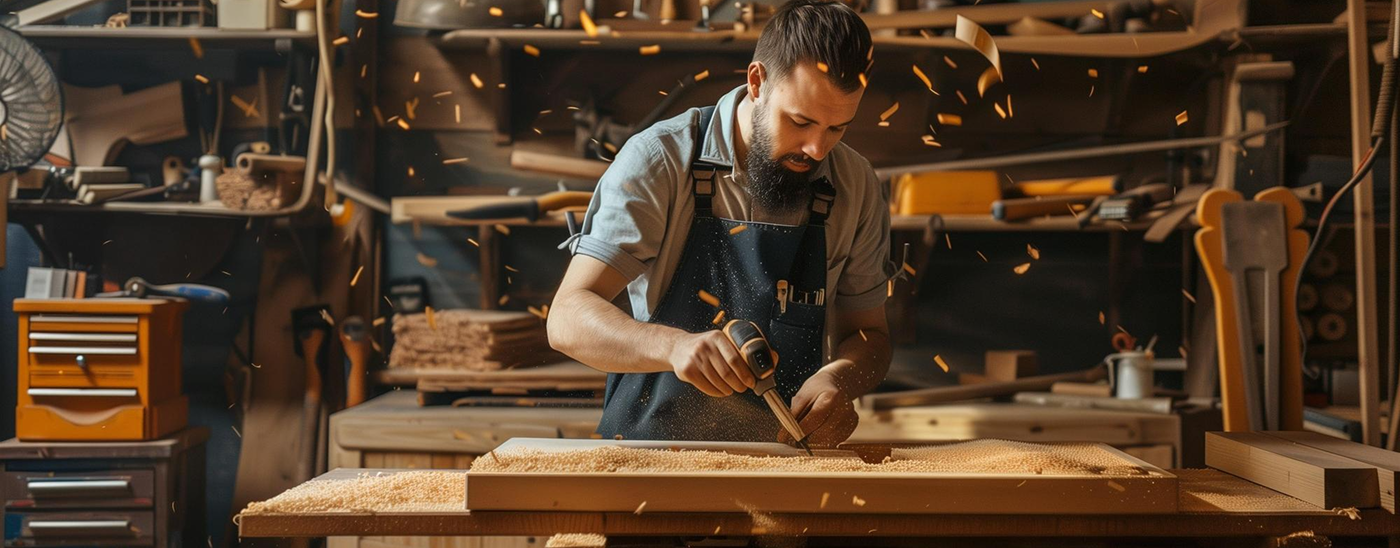
Take a closer look at the careful process of selecting, shaping, joining, and finishing timber into a refined final piece. Every exceptional piece of wooden furniture begins with more than just a piece of timber. It begins with careful material selection, thoughtful design, skilled craftsmanship, and an appreciation for the natural character of wood.
Inside our workshop, raw timber goes through a considered process of transformation. Each stage is carefully managed to create furniture that combines functionality, durability, and timeless beauty. Modern tools can improve precision and efficiency, but craftsmanship remains at the heart of the process. The knowledge of how wood behaves, how grain should be positioned, and how individual components should come together comes from experience.
“Great woodwork does more than fill a space — it brings warmth, character, craftsmanship, and lasting beauty into the way you live.”
1. Selecting the Right Timber
The journey begins with choosing the right timber for the project. We consider the wood species, grain pattern, strength, color, texture, and overall character. Every piece of timber has its own natural features, and selecting the right material helps ensure that these characteristics complement the final design.
2. Preparing the Wood
Before the crafting process begins, timber needs to be properly prepared. It is carefully measured, cut, and conditioned to create a stable foundation for the furniture. Proper preparation helps reduce unnecessary movement and ensures that each component can be worked with precision.
3. Bringing the Design to Life
Once the timber is prepared, the design is translated into individual components. Measurements and dimensions are carefully checked before cutting and shaping begins. This stage requires precision because even small variations can influence the fit, proportion, and appearance of the final piece.
4. Skilled Cutting and Shaping
The raw material gradually begins to take its intended form. Skilled craftsmen use a combination of modern equipment and traditional techniques to cut, shape, and refine each component. From carefully formed edges to detailed profiles, every element contributes to the overall character of the furniture.
5. Crafting Strong, Precise Joints
Joinery is one of the most important stages of the process. Components are carefully connected using appropriate techniques to create a structure that is both strong and visually refined. Well-executed joints provide stability while maintaining the clean appearance expected from high-quality craftsmanship.
6. Careful Assembly
Once the individual components are ready, they are brought together. Each connection is checked for alignment, strength, and proportion. This is where the individual parts begin to feel like one complete piece, revealing the form that was originally imagined during the design stage.
7. Sanding and Refinement
After assembly, surfaces are carefully sanded and refined. This removes imperfections, smooths edges, and prepares the wood for its final finish. Attention to detail at this stage helps create the tactile quality that distinguishes carefully crafted furniture.