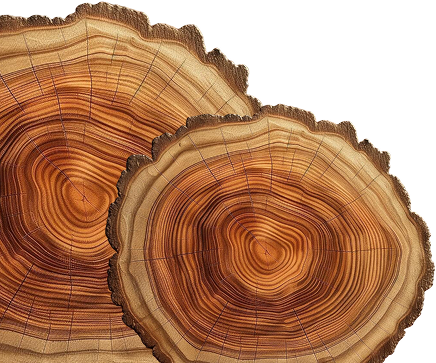


From feature walls and paneling to built-in furniture, discover how thoughtful timber details can add warmth, depth, and personality to any space. Wood is one of the most versatile materials in interior design, but its beauty goes far beyond color. The direction, pattern, texture, and character of the grain can dramatically influence how a finished piece looks and feels.
Understanding wood grain helps you make more thoughtful choices when selecting timber for furniture, cabinetry, wall panels, doors, flooring, and other interior details. The right grain can complement your design, highlight architectural features, and add a distinctive sense of character. Selecting beautiful timber is only the beginning. Skilled craftsmanship is essential to make the most of its natural characteristics.
“Great woodwork does more than fill a space — it brings warmth, character, craftsmanship, and lasting beauty into the way you live.”
1. Straight Grain for Clean, Refined Designs
Straight-grained timber creates a consistent and orderly appearance. It works particularly well in contemporary and minimalist interiors where simplicity and clean lines are important.
2. Curved and Wavy Grain for Character
Timber with naturally curved or wavy grain introduces more movement and visual interest. It can work particularly well when you want a wooden surface to become a feature within the room. These distinctive grain patterns can be used for statement furniture, decorative panels, feature walls, and handcrafted pieces.
3. Open Grain for Texture
Some timber species have a more open and pronounced grain structure. These woods can add texture and a stronger natural presence to an interior. Open-grain timber works beautifully when the goal is to create a warm, organic atmosphere rather than an extremely uniform finish.
4. Fine Grain for Subtle Elegance
Fine-grained wood tends to have a smoother and more understated appearance. It can complement interiors where the focus is on refined simplicity rather than dramatic natural patterns. This makes fine-grain timber suitable for elegant furniture, detailed cabinetry, and sophisticated interior applications.
5. Grain Direction Matters
The way timber is positioned can change the visual character of a design. Horizontal grain can make furniture or wall features appear wider, while vertical grain can emphasize height. Carefully aligning grain direction across multiple components can also create a more seamless and intentional appearance.
6. Matching Grain for a Seamless Look
When working with cabinetry, doors, panels, or large furniture pieces, grain matching can create an exceptionally refined result. By carefully positioning adjoining pieces, craftsmen can create patterns that flow naturally across the surface. This attention to detail can elevate a simple design into something truly distinctive.
7. Consider the Natural Color of the Timber
Grain should always be considered alongside wood color. Light-colored timber with subtle grain can create an airy and contemporary feel, while darker timber with strong grain can bring richness and depth. The final finish can further enhance these characteristics, so it is important to consider the wood, grain, and finish as part of one overall design.